

One in each and every 100 cats develops diabetes.1 That’s no longer an extraordinary, unfortunate situation reserved for cats with evident well being issues. It’s not unusual sufficient that almost all vets see it often, and not unusual sufficient that any cat proprietor must know what it looks as if ahead of it will get critical.
The problem is that the early indicators are simple to give an explanation for away. Extra journeys to the clutter field, just a little extra water fed on, and a few weight reduction. Every one by itself sounds unremarkable. In combination, they level to one thing that wishes a vet’s consideration quicker moderately than later.
What’s In truth Taking place in a Diabetic Hepper’s Frame
Like people, cats can expand two kinds of diabetes. Kind I approach the frame isn’t generating sufficient insulin. Kind II, which is way more not unusual in cats, approach the frame isn’t responding correctly to the insulin it does produce. In each instances, glucose can’t get into the cells how it must, so it builds up within the bloodstream as a substitute.
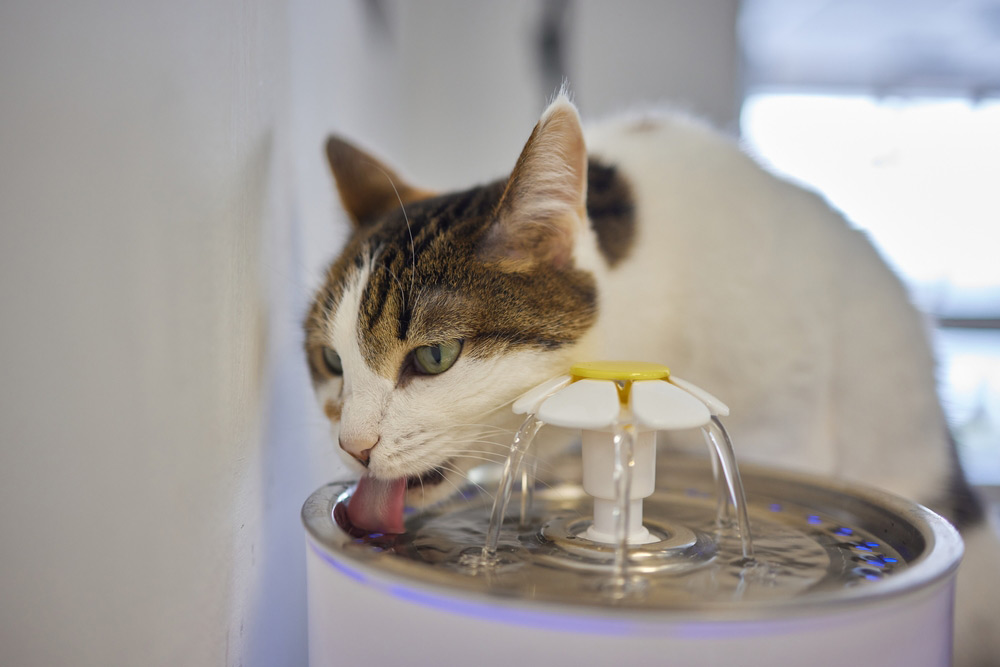
When blood sugar remains increased, the kidneys attempt to compensate by way of flushing the surplus glucose out via urine. That procedure pulls water with it, which is why diabetic cats urinate such a lot and drink so closely to take care of. In the meantime, for the reason that frame can’t in reality use the glucose for power, it begins breaking down fats and muscle as a substitute. A cat will also be consuming completely smartly and nonetheless shedding pounds for the reason that power from meals merely isn’t achieving the cells.
Weight problems is the largest recognized chance issue. Obese cats are as much as 4 instances much more likely to expand diabetes than cats at a wholesome weight. Center-aged male cats are probably the most often affected staff, despite the fact that any cat can expand the situation at any age.
 Symbol Credit score: Vershinin89, Shutterstock
The 7 Indicators of Diabetes to Watch For
Larger thirst and widespread urination have a tendency to be the primary issues house owners realize. Larger clutter clumps, extra widespread clutter field visits, and now and again injuries simply outdoor the field are all a part of this development. The injuries aren’t behavioural. A cat with susceptible hind legs or urgency from prime blood sugar merely would possibly not make it in time.
Weight reduction in spite of an ordinary or greater urge for food is without doubt one of the clearest signs. In case your cat is consuming smartly however visibly dropping situation, that mixture warrants a vet discuss with.
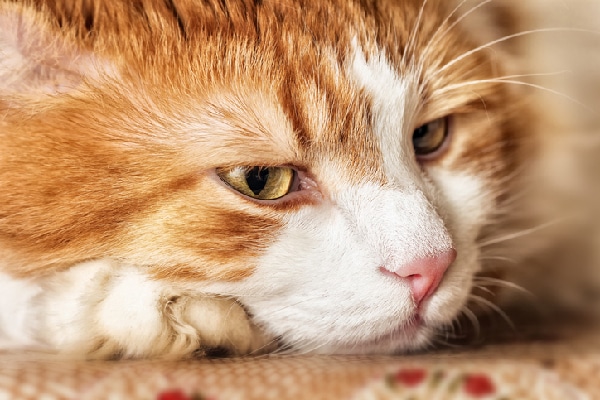
Lethargy and diminished process are not unusual because the situation progresses. A cat that used to leap onto furnishings and interact in play, changing into noticeably quieter and not more cellular, is value taking critically.
Adjustments in gait are a extra complicated signal. Diabetic neuropathy impacts the nerves within the hind legs, inflicting some cats to stroll flat at the backs in their legs moderately than on their ft, which vets name a plantigrade stance. It is a signal that the situation has been occurring for a while. Left untreated, it can result in everlasting paralysis.
Urge for food adjustments can pass both approach. Some diabetic cats devour greater than standard, others become bored in meals fully, in particular because the situation turns into extra serious. Vomiting may be related to extra critical instances and must be handled as pressing.
A lifeless, unkempt coat is some other indicator. Prime blood sugar impacts pores and skin and coat situation, and cats that really feel ill regularly prevent grooming as ceaselessly.
After all, a shift in persona or lack of pastime in issues the cat typically enjoys can sign the fatigue and malaise that diabetes brings. A unexpected trade in how your cat interacts with you or their surroundings, in particular in a middle-aged or older cat, is at all times value investigating.
 Symbol Credit score: Dashabelozerova, Thinkstock
What Analysis Comes to
A unmarried blood glucose studying on the vet isn’t at all times sufficient to substantiate diabetes. Cats can revel in what’s referred to as rigidity hyperglycemia, a brief blood sugar spike induced by way of the nervousness of a vet discuss with, which will mimic diabetic readings. Analysis most often calls for constantly increased blood glucose along glucose detected within the urine. Vets will regularly additionally run a fructosamine take a look at, which supplies a median of blood sugar ranges over the previous one to 2 weeks and isn’t suffering from in-clinic rigidity.
Different prerequisites, comparable to kidney illness, hyperthyroidism, and pancreatitis, may cause equivalent signs, so further blood paintings is typically performed to rule the ones out as smartly.
If you want to talk with a vet however cannot get to 1, head over to PangoVet. It is a web-based provider the place you’ll be able to communicate to a vet on-line and get the recommendation you want on your puppy — all at an inexpensive value!

@media (max-width: 767px) {
.desktop-only-button {
show: none;
}
}
What Remedy Appears Like Day-to-Day
The usual remedy for pussycat diabetes is a few times day-to-day insulin injections, blended with a strict low-carbohydrate vitamin to toughen solid glucose ranges and a wholesome weight. It’s a real dedication and person who comes to the entire family, however it’s very manageable with steerage from a vet.
The analysis is best than many of us be expecting. A correctly controlled diabetic cat can are living for 13 to 17 years, and a few cats reach remission fully with early intervention and constant remedy. The important thing phrase is early. The earlier diabetes is known and addressed, the extra choices there are and the easier the end result has a tendency to be.
If a number of of the indicators above sound acquainted, don’t take the wait-and-see method. One vet appointment and a blood take a look at are all it takes to grasp the place issues stand.
Featured Symbol Credit score: Gleb Usovich, Shutterstock
Did You Know?
Our brand-new posts are rounded up and integrated in our weekly emails. Don’t fail to notice the most recent – join our publication under!


