
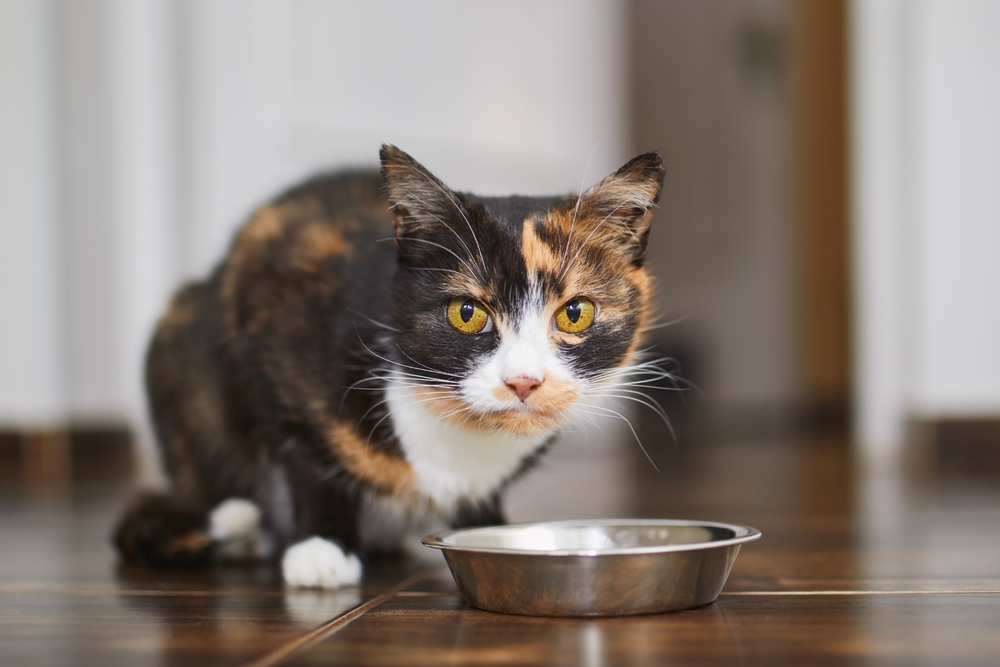
For those who’ve ever sighed whilst scraping uneaten cat meals into the trash, you’re under no circumstances on my own. Many cat house owners know the regimen: their cat eagerly runs to the bowl, takes a couple of bites, then wanders off, leaving what seems to be a wonderfully just right meal in the back of. Whilst this habits is incessantly disregarded as fussiness, new analysis from Japan suggests one thing way more fascinating is also taking place.
Researchers at Iwate College discovered that as cats change into conversant in the scent of a meals, their motivation to stay consuming step by step declines, even if they aren’t totally complete. Merely introducing the aroma of a unique meals restored their pastime, regardless of the meal itself final unchanged. The findings be offering a captivating glimpse into the outstanding position odor performs in pussycat feeding habits, and might lend a hand provide an explanation for one of the vital not unusual questions veterinarians listen from cat house owners: “Why won’t my cat finish dinner?”
I Scent, Subsequently I Snack
Symbol Credit score: Krakenimages.com, Shutterstock
As veterinarians, we incessantly want to remind puppy folks that cats aren’t simply small canines, and this learn about is some other superb instance of why. Cats depend on their sense of scent excess of other people understand. Ahead of deciding whether or not dinner merits a 2d chew, they acquire an strange quantity of data via their nostril, and each and every meal has to move the sniff take a look at first.
A cat’s olfactory machine comprises more or less 200 million odor receptors, when put next with handiest about six million in people. Along with their spectacular sense of scent, cats possess the vomeronasal, or Jacobson’s, organ, which lets them hit upon sure chemical indicators that people can not understand. In combination, those sensory techniques lend a hand cats evaluation meals high quality, acknowledge acquainted prey, and make a decision whether or not dinner is worthy in their delicate pussycat requirements.
To analyze how odor influences urge for food, researchers noticed 12 wholesome home cats after a brief fasting duration. As anticipated, the cats readily started consuming when meals was once first presented. Alternatively, their pastime step by step declined with repeated publicity to the similar meals aroma. When the researchers presented the odor of a unique meals, with out if truth be told replacing the meal within the bowl, the cats resumed consuming.
Scientists confer with this procedure as olfactory habituation. Because the mind turns into aware of a selected scent, its reaction step by step diminishes. Introducing a brand new smell reverses that impact, a procedure referred to as dishabituation, making the odor fascinating once more.
Call to mind strolling right into a bakery. The scent of unpolluted bread is nearly unattainable to forget about to start with, however after spending some time within, you slightly realize it anymore. Your nostril hasn’t stopped operating; your mind has merely change into conversant in the scent. In step with this learn about, one thing identical might occur when cats take a seat right down to dinner.
The Evolution of a Meals Critic
Those findings make very best sense when considered during the lens of pussycat biology.
In contrast to omnivorous species that advanced to eat huge foods, cats are obligate carnivores descended from solitary hunters. Their wild ancestors most often captured a number of small prey animals all through the day, every sporting its personal distinctive odor profile. Moderately than many times consuming the very same meals, they encountered herbal selection with each and every a hit hunt.
For those who’ve ever questioned why your well-fed cat nonetheless spends a day stalking a fly, ambushing a feather wand, or proudly presenting you with an unlucky “gift” from the lawn, you’re seeing the ones historic instincts in motion. Starvation is just one reason why cats hunt. All of the collection of stalking, chasing, pouncing, investigating, and sure, giving the entirety a just right sniff, is rewarding in its personal proper. Whilst this learn about didn’t read about looking habits, it reminds us that cats enjoy a lot of the sector via their noses. Each and every prey animal has its personal odor signature, making it simple to look why novelty might nonetheless seize a cat’s consideration, even 1000’s of years once they traded the wild for our residing rooms.
For a hunter, each and every prey animal provides a unique mixture of odors. The ones ever-changing odor cues could have helped cats keep excited about searching for out their subsequent meal reasonably than many times specializing in the similar prey supply. Even though these days’s indoor cats infrequently want to hunt for survival, the sensory techniques guiding the ones choices stay remarkably very similar to the ones in their wild ancestors.
That is one reason cats can appear so selective. What house owners incessantly describe as a “picky eater” might merely be a predator whose extremely specialised nostril is quietly announcing, “I’ve smelled this already.”
Symbol Credit score: Jaromir Chalabala, Shutterstock
What’s a Hepper Mum or dad to Do?
Ahead of somebody rushes to rotate meals on a daily basis, it’s essential to position those findings in context.
A wholesome cat now and again leaving meals in the back of isn’t essentially an indication that one thing is incorrect. Urge for food naturally fluctuates, and plenty of cats want consuming a number of smaller foods reasonably than one huge serving. Alternatively, a surprising or continual lower in meals consumption will have to by no means be overlooked. Cats that forestall consuming totally are vulnerable to creating hepatic lipidosis, a probably life-threatening liver situation that may happen after only some days of insufficient calorie consumption.
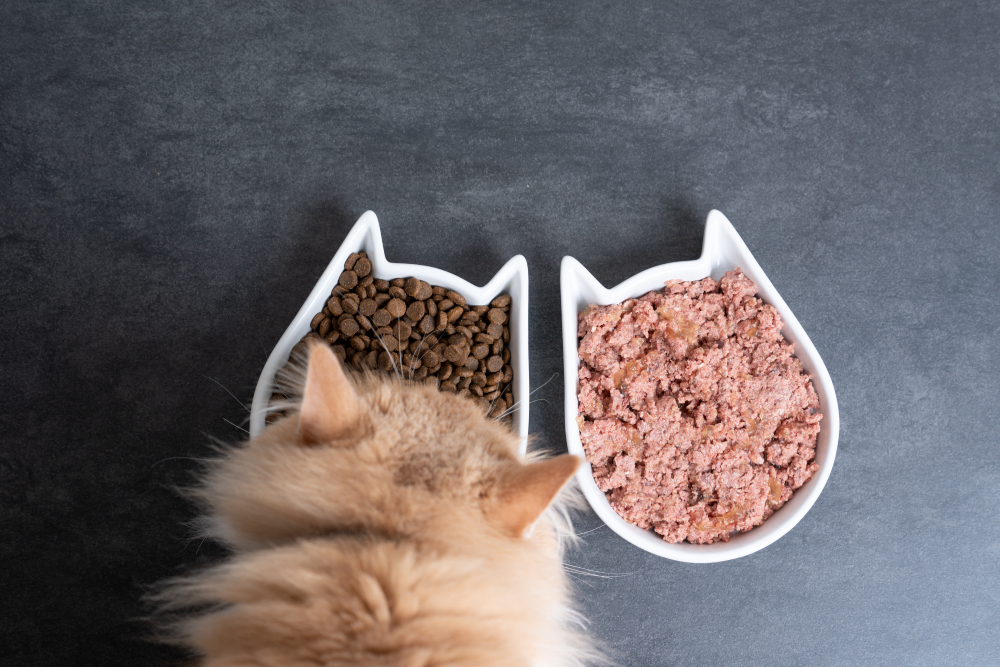
What this learn about highlights is that scent merits extra consideration once we consider pussycat diet. Warming rainy meals fairly, serving contemporary parts as an alternative of leaving meals out for lengthy sessions, or providing other flavors inside of the similar nutritionally whole product line might lend a hand take care of pastime in foods for some wholesome cats. Those methods may additionally turn out precious for cats improving from sickness or the ones with lowered appetites, even though extra analysis is wanted prior to those findings can also be translated into medical suggestions.
Any nutritional adjustments, alternatively, will have to be made step by step and underneath veterinary steerage, specifically for cats with gastrointestinal illness, meals allergic reactions, continual kidney illness, diabetes, or the ones consuming prescription healing diets.
Symbol Credit score: Nils Jacobi, Shutterstock
Simply When You Concept You Had Cats Figured Out…
Like every research, this one has barriers. The analysis concerned handiest 12 cats underneath managed stipulations, so higher research can be wanted prior to scientists can decide precisely how those findings practice to the broader puppy cat inhabitants. Even so, the paintings provides to a rising frame of proof appearing that pussycat urge for food is influenced through a lot more than an empty abdomen.
As veterinarians, we incessantly say that working out commonplace pussycat habits is among the perfect techniques to beef up pussycat well being and welfare. Cats keep in touch via delicate adjustments, and their feeding conduct aren’t any exception. A half-finished bowl does no longer routinely imply a cat dislikes its meals, nor does it at all times point out sickness. Infrequently, it merely displays the subtle sensory international that cats enjoy on a daily basis.
So, does this imply the way forward for cat meals is… even stinkier? Our cats would most certainly vote sure. Thankfully for them, and most likely sadly for our noses, aroma seems to play a miles larger position in mealtime than we as soon as learned. Whilst extra analysis is wanted prior to somebody begins creating “extra-smelly” recipes, this learn about reminds us that cats don’t merely devour with their mouths. Dinner starts with their noses.
So, the following time your cat leaves half of the meal in the back of, don’t be too fast to label them choosy. They will merely be following instincts that experience served their species for thousands and thousands of years. And who is aware of? Possibly the next day to come’s purrrfect cat meals received’t style any other in any respect. It could simply scent impossible to resist.
Characteristic Photograph Credit score: Pexels, Pixabay
Did You Know?
Our brand-new posts are rounded up and integrated in our weekly emails. Don’t fail to spot the newest – join our e-newsletter beneath!


