
When Gwen Cooper first introduced house a tiny blind kitten that no person else sought after, she by no means imagined he would grow to be a New York Occasions bestselling creator in his personal proper—or encourage loads of hundreds of other people around the globe.
That kitten was once Homer.
Greater than 15 years after Homer’s Odyssey was once first printed, Homer’s tale continues to the touch readers, inspire refuge adoptions, and problem misconceptions about special-abled pets. Whilst Homer’s legacy stays on the center of Gwen’s paintings, at the moment her house is shared with two very other pussycat partners—Clayton, an ceaselessly affectionate tripod, and Fanny, a quiet athlete with a nightly ritual that by no means fails.
We stuck up with Gwen about Homer’s unbelievable adventure, her newest books, existence with Clayton and Fanny, and why she believes other people must prevent seeing incapacity sooner than they see the cat.
One Tiny Blind Kitten Modified The whole lot
Like such a lot of life-changing tales, this one started with a telephone name.
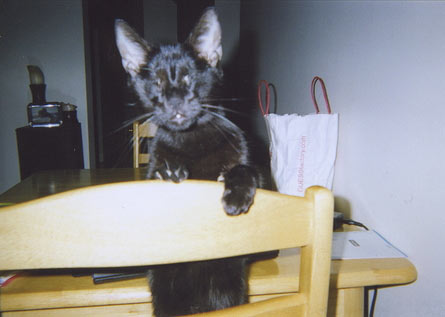
Gwen’s veterinarian had an deserted kitten wanting a house. He was once best round 3 weeks outdated, totally blind, and no person sought after him.
“The very short version of how Homer ended up in my life is that my veterinarian called one day with a story about an abandoned blind kitten, around three weeks old, who nobody else wanted. Twelve years later, following the publication of my first book, I read a newspaper article about a library cat in Iowa whose human had just sold a proposal for a memoir about him. It was a ‘light bulb’ moment for me.”
That spark was Homer’s Odyssey, a memoir that went directly to grow to be a New York Occasions bestseller, was once translated into greater than two dozen languages, and offered hundreds of thousands of readers to at least one fearless little cat. Even now, Gwen admits that good fortune nonetheless feels slightly surreal.
Extra Than a Bestseller
For Gwen, the lasting good fortune of Homer’s Odyssey hasn’t ever in point of fact been about publishing milestones.
As an alternative, she believes readers hooked up with one thing a lot deeper.
“I’ve always said that I think part of the success of Homer’s Odyssey is because so many people who work in rescue saw in Homer some of the cats they’ve worked with over the years—the kind of tough placements where you go home and cry because you know this cat would make a wonderful, loving companion if only someone would give him a chance.”
The ones connections proceed nowadays.
“Readers write to me all the time that Homer got them through the worst year of their life, or convinced them to adopt the cat they’d been overlooking at the shelter, or simply made them braver. Homer is gone, but the way he changed people is still very much alive. And they pass that on to friends and family and the next cat they fall in love with.”
It’s tricky to consider a extra significant legacy than that.

Giving Homer a 2d Existence
Whilst Homer’s real-life tale has already impressed readers around the globe, Gwen lately made up our minds to believe a complete new journey for him.
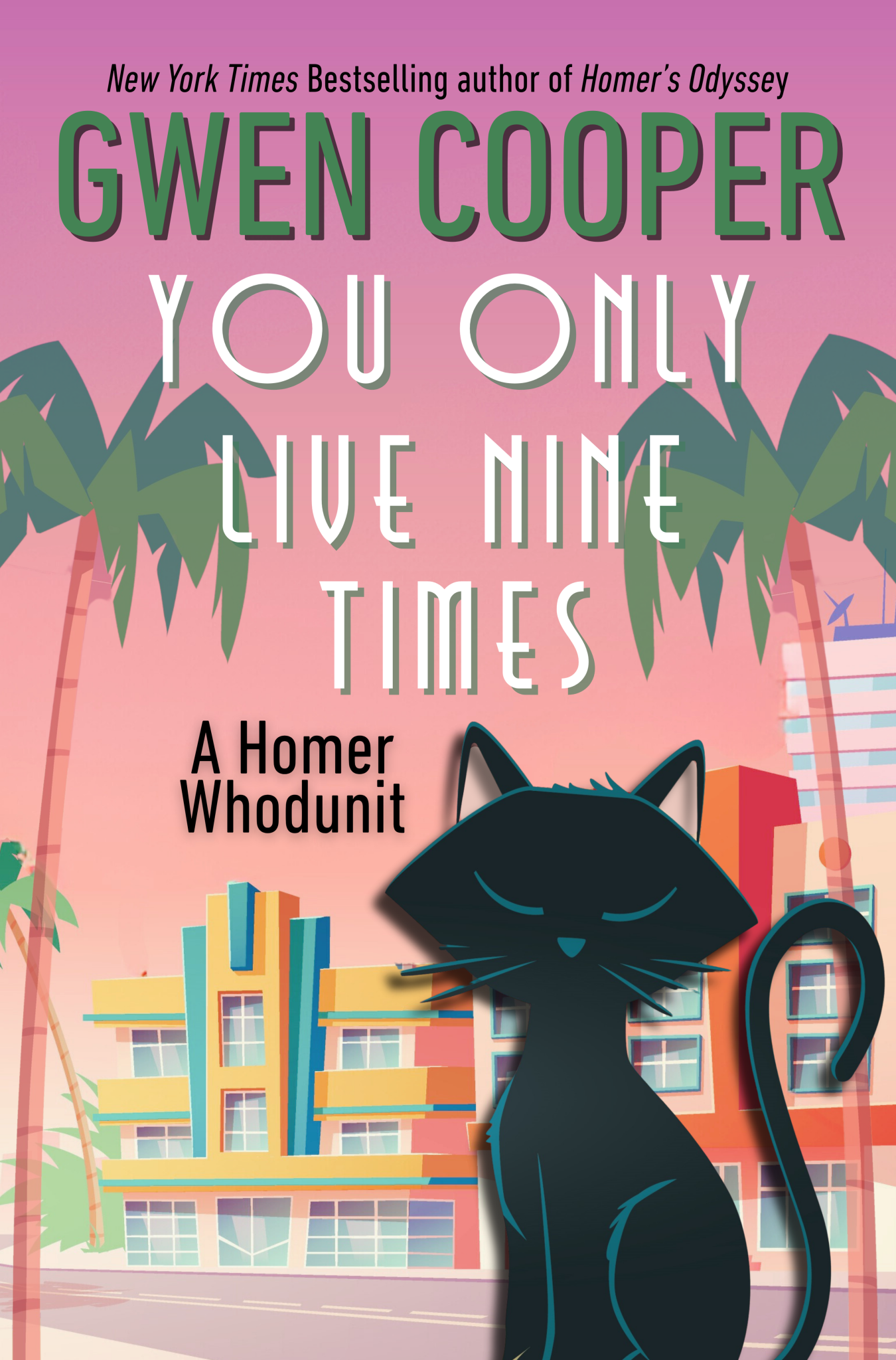
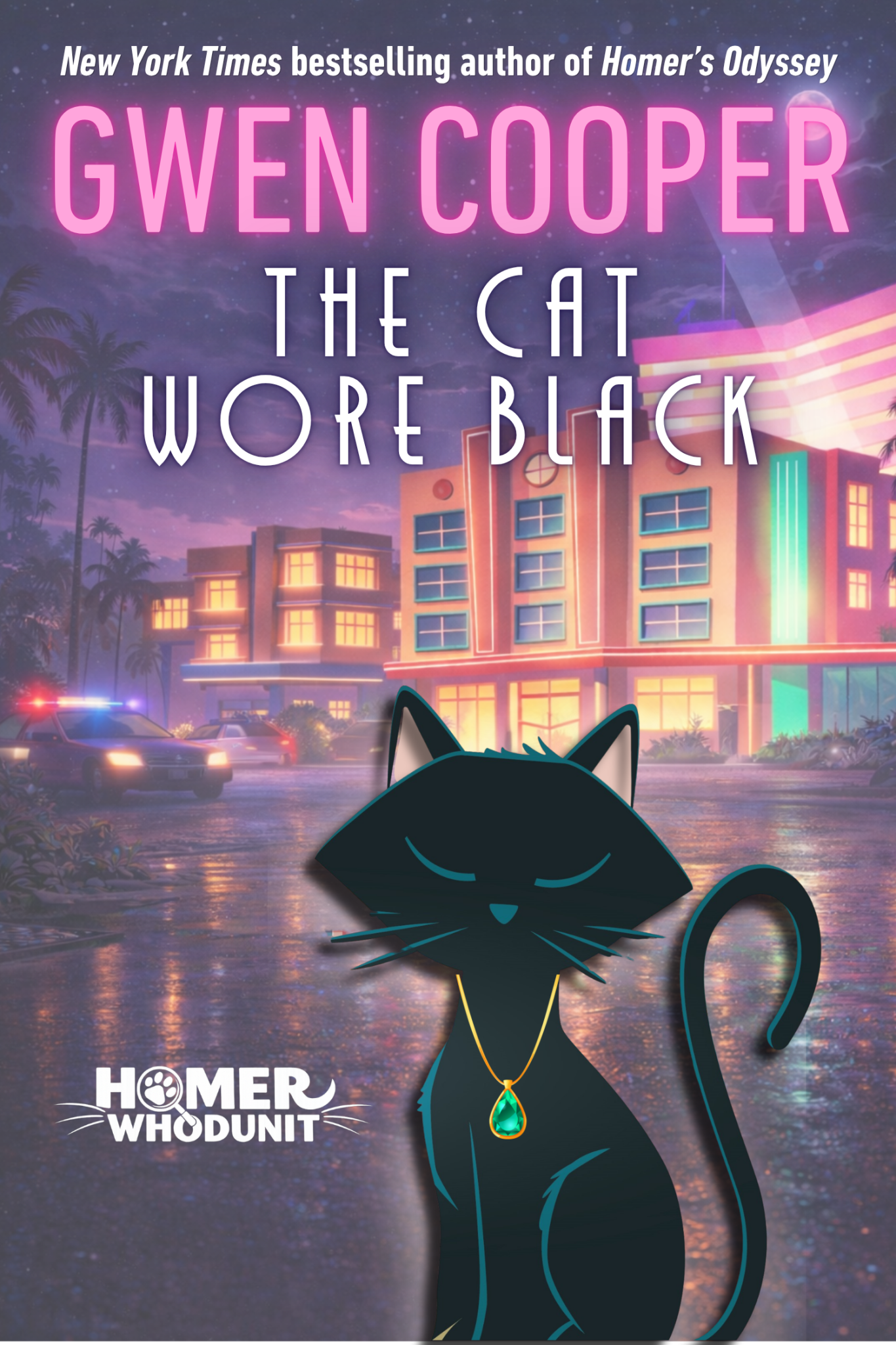
Her newest collection, Homer Whodunit, sees the well-known pussycat fixing murders on Nineties Miami Seashore the use of the bizarre senses that made him so exceptional in genuine existence.
“I knew I wanted to write something serial about Homer that wasn’t a memoir—and it was like the instant I had that idea, I knew it had to be a mystery series. Homer already has a reputation as a real-life crime-fighting cat because of the night when he famously chased an intruder out of my apartment. So it just seemed to make so much sense for him to use his enhanced other senses to catch bad guys.”
Even if getting into thriller writing felt intimidating in the beginning, Gwen says it temporarily was essentially the most relaxing writing revel in of her occupation.
“I’m so glad I finally did, though, because it ended up being the most fun I’ve ever had writing a book!”
Meet Gwen’s Present Co-Staff
In this day and age, Homer’s successors stay Gwen simply as busy.
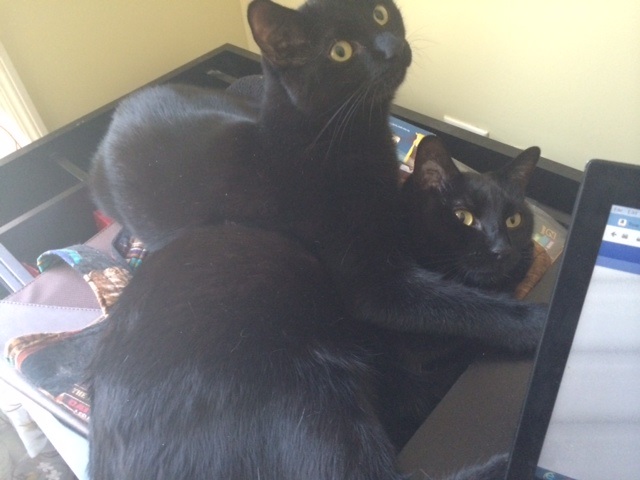
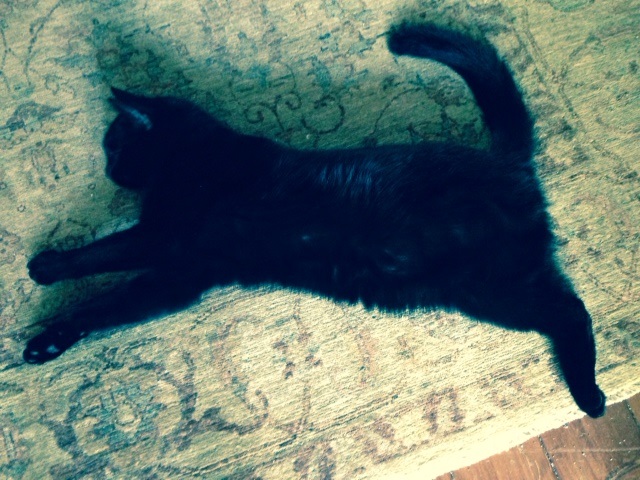
Clayton and Fanny, a bonded pair of black littermates, joined the circle of relatives after Homer misplaced his older pussycat partners. Gwen was hoping bringing house two kittens would give Homer corporate with out overwhelming him—and it proved to be the very best choice.
Clayton, who has 3 legs, hasn’t ever let that sluggish him down.
“Clayton is sweet and stubborn and a total mama’s boy. He needs attention 24/7 and will take it from literally anybody. He actually likes going to the vet’s office because at least when they’re sticking needles in him they’re also paying attention to him.”
He additionally occurs to be obsessive about fetch.
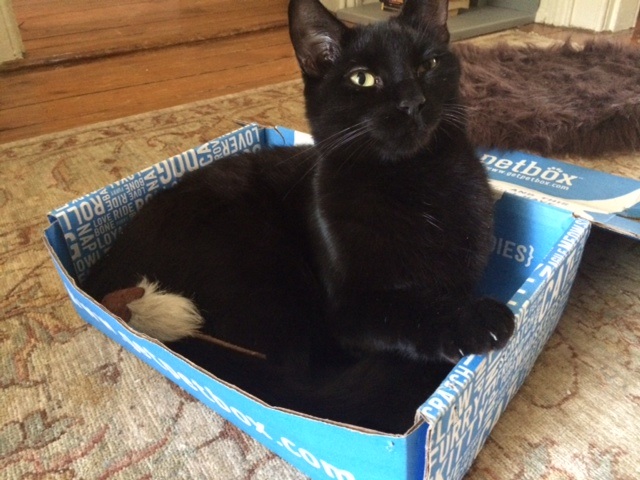
“He has these little plastic mice with feathered tails, and he’s basically in a constant state of demanding that I throw one for him to chase after and bring back so I can throw it again. He taught himself to play fetch, by the way.”
Fanny’s persona is slightly quieter, however no much less captivating.
Each morning, Gwen unearths a valuable toy rat ready patiently on her table chair. Each night, it mysteriously seems on her pillow.
“Every single day. The day she stops, I’ll know something’s wrong.”
It’s all a part of a day-to-day regimen that feels like one thing many cat fans will recognise.
“I sit down at my desk with a cup of tea and find Fanny’s rat already waiting for me on my chair… Within about ninety seconds Clayton has arrived to remind me that whatever I’m about to do is less important than throwing his mouse… By evening the lap-rotation has become a fully scheduled affair.”

The Largest False impression About Particular-Abled Cats
After dwelling with each a blind cat and a tripod, Gwen has heard almost about each false impression conceivable.
The largest one?
That existence with a special-abled puppy will have to be tricky.
“The biggest thing people don’t see is how normal it is. I think there’s an assumption that life with a blind cat or a tripod is full of dramatic accommodations and constant management, and the truth is that ninety-five percent of it looks exactly like life with any other cat—naps, snacks, the occasional knocked-over water glass, the deeply held opinion that 5 a.m. is breakfast time.”
Each and every of her cats has additionally taught her one thing other.
Homer taught her braveness. Scarlett, her first cat, taught her to like on anyone else’s phrases. And Clayton reminded her that adaptation isn’t about loss.
“He doesn’t move through the world as though three legs were some sad subtraction from four. He moves through it as though three legs is exactly what a cat ought to have, thank you very much!”
Even if Gwen has grow to be widely recognized for advocating for special-abled cats, she’s fast to indicate that rescue isn’t one thing break free her paintings—it’s woven into the whole thing she does.
From donating a portion of store gross sales to supporting organisations like Blind Hepper Rescue and Sanctuary and Kabul Small Animal Rescue, she’s enthusiastic about serving to the folks doing the tricky, frequently unseen paintings of saving animals.
But when she may just give readers one piece of recommendation, it will be unusually easy.
“If anyone reading this is looking for a place to give or volunteer, my honest advice is to look local. Your nearest small rescue almost certainly needs you more urgently than the national names do, and your money goes much further there.”

“Adopt the Cat, Not the Disability”
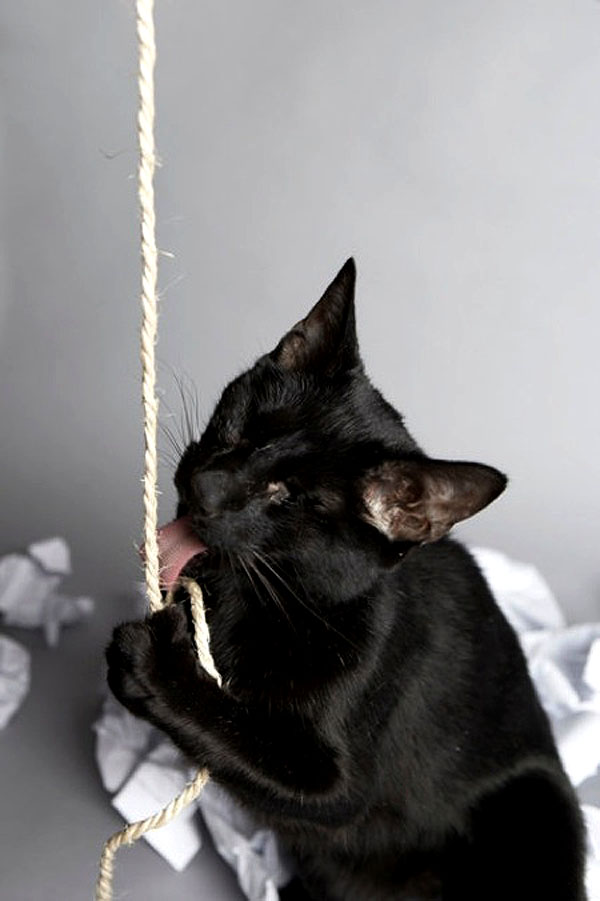
If there’s one message Gwen hopes readers remove from Homer’s tale—and from assembly Clayton and Fanny—it’s that incapacity shouldn’t outline an animal.
“Adopt the cat, not the disability. The cat in front of you is, first and foremost, a cat, with preferences and a personality and a sense of humor… So go in expecting to fall in love, not to manage a condition.”
And most likely her maximum robust reminder is one each doable adopter must pay attention.
“Special-abled cats are not sad. That’s the single biggest misconception, and it stops a lot of wonderful animals from getting adopted… They are, in nearly every case, just cats—happy when they’re warm, annoyed when dinner is late, and devoted to the people who love them.”
After studying Homer’s tale—and getting to grasp Clayton and Fanny—we’d must agree.
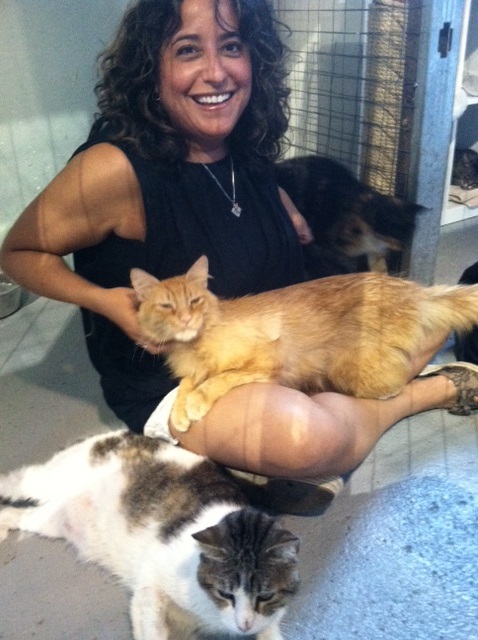

Quickfire With Gwen
Describe Clayton and Fanny in 3 phrases.
Clayton: Cussed, affectionate, soft.Fanny: Candy, girlie, athletic.
Who’s in point of fact in price?
“Do you really have to ask?”
Favorite process in combination?
“Reading or watching TV with a cat in my lap. Not the most exciting activity, granted, but it makes us all happy.”

Stay Up With Gwen