

If there may be something that clinical analysis has confirmed, it’s that we will be able to by no means know anything else for positive; simply as we begin to really feel assured about our wisdom, alongside comes a brand new learn about that absolutely undermines what had up to now been confirmed. That’s precisely what seems to have came about with a contemporary DNA comparability of recent feral and domesticated cats with that of historical tom cats.
Till now, there was close to consensus at the concept that the fashionable home cat, Felis catus (aka Felis silvestris catus), moved each genetically and geographically from the African wildcat (Felis lybica lybica) round 10,000 years in the past. Despite the fact that the origins of the home cat aren’t in query, DNA research means that the fluffy tom cat partners we all know and love these days will have handiest been round for a trifling 2000 years.
 Symbol Credit score: JodieAndCan, Shutterstock
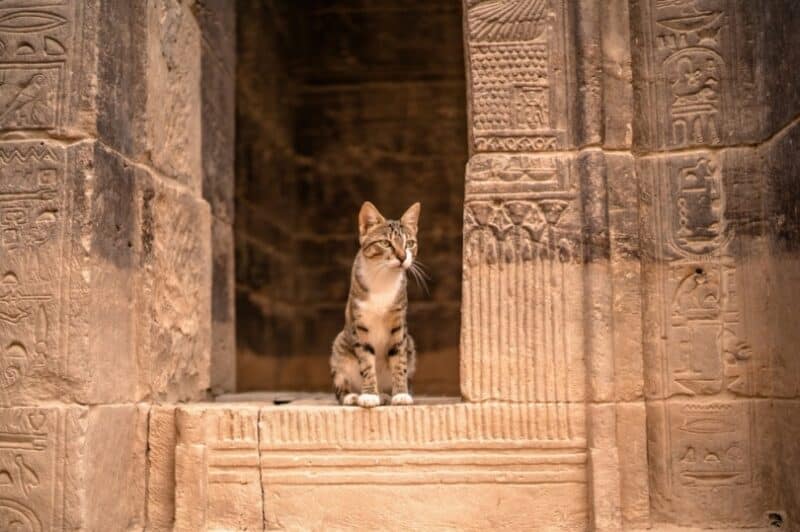
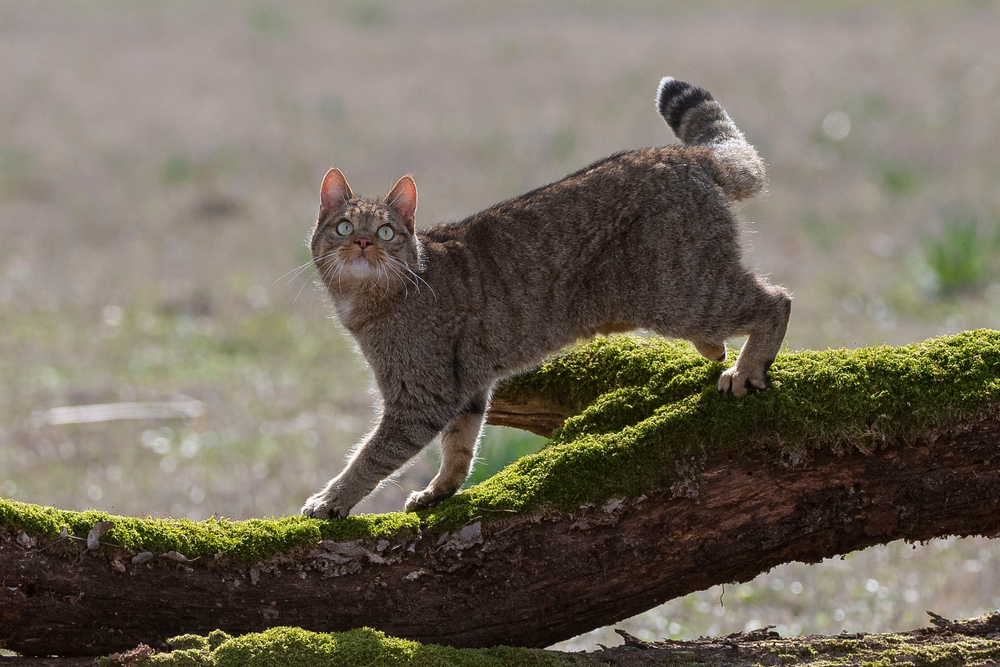
We all know that cats held a spot of appreciate and worship for the traditional Egyptians – that wisdom is, rather actually, set in stone – however the fresh analysis seems to contradict the up to now held trust that African wildcats made their method from Northwest Africa with Neolithic Farmers as they migrated throughout Europe, and had been genetically altered by means of domestication in a while thereafter. As a substitute, the DNA signifies that this migration took place in two distinct waves, with the creation of the Eu wildcat, Felis silvestris (aka Felis silvestris silvestris) throughout a lot of Europe going on round 9500 to 6300 years in the past, and a 2nd wave from northern Africa no previous than round 2000 years in the past.
Now not handiest does this modify the historical past of tom cat domestication, nevertheless it additionally alters the assumed genetic trail.
In response to earlier wisdom, it used to be believed that the home cat used to be a right away descendant of the Eu wildcat. What this new DNA research signifies is that Felis catus is in reality the results of domestication and hybridization of the African wildcat (F. l. lybica), making it a relative, now not a descendant, of F. silvestris. It additionally means that the domestication of the cat has been a miles faster procedure than we up to now believed, appearing that people are extra receptive to coaching than we will have realised!
 Symbol Credit score: Jesus Cobaleda, Shutterstock
So, what does this imply for the modern day tom cat?
When cats had been believed to have skilled ten millennia of residing along people with slightly little physiological alterations when compared with what we see within the myriad canine breeds, it instructed a extra powerful and resilient creature, immune to the regularly unwise and ignorant interference of selective breeding by means of people. In mild of this revelation, one can’t assist however be involved that we’re simply initially in their morphological makeover.
With basically bad breeds just like the Dwelf, Munchkin, and Scottish Fold gaining popularity, are we simply seeing the top of the iceberg of simply how a long way our faulty makes an attempt at developing “the perfect cat” would possibly pass?
Let’s hope now not.
Function symbol Credit score: Erwin Niemand, Shutterstock
Did You Know?
Our breaking information articles are featured in our weekly emails. Don’t fail to spot the newest and join our publication under!


